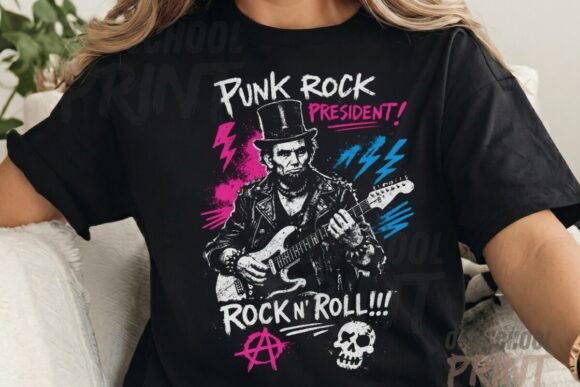
Abraham Lincoln Playing Electric Guitar: A Punk Rock Design Manifesto
There’s a particular kind of energy that happens when you smash two completely different worlds together. The image of Abraham Lincoln Playing Electric Guitar isn't just a funny mashup; it is a visual representation of rebellion meeting history, creating a piece of art that demands attention. For designers, content creators, and brand builders, this isn't just a quirky image—it's a powerful design asset that communicates a specific, high-octane attitude. It captures that vintage grit mixed with modern neon aggression, making it a standout piece for anyone looking to inject some serious edge into their projects.
Anatomy of a Rebel: Deconstructing the Visual Style
When you look at the Abraham Lincoln Playing Electric Guitar design, you aren't just seeing a President with an instrument. You are looking at a carefully crafted character study in punk aesthetics. The visual characteristics here are heavy and intentional. We are talking about grunge textures that give the artwork a tactile, rough feel, paired with lightning bolts and skull elements that ground it firmly in the rock 'n' roll genre. The vibrant neon splashes provide that electric current, suggesting the music itself is coursing through the image.
This style functions much like a bold display font or a heavy serif font in typography. It has a massive "x-height" in terms of visual weight—it takes up space and refuses to be ignored. The personality is undeniably loud and unapologetic. It treats the historical figure with a sense of irreverent fun, stripping away the stuffiness of the 1860s and replacing it with the raw, DIY spirit of the 1970s punk movement. For a brand identity focused on music, alternative fashion, or counter-culture, this image acts as the visual equivalent of a distorted power chord.
Strategic Applications: Where This Asset Shines
Understanding where to deploy the Abraham Lincoln Playing Electric Guitar artwork is key to maximizing its value. Because this is a high-quality PNG with a transparent background, it functions incredibly well as a modular design element. It isn't restricted to one medium.
In the realm of packaging design and merchandise, this is a goldmine. It is perfect for:
- Apparel and Streetwear: It sits perfectly on the chest of a t-shirt or the back of a hoodie. The "vintage rock tee" vibe is immediate and requires very little supporting text to sell the look.
- Editorial Design and Album Art: If you are designing a zine, a music festival poster, or an album cover for a garage band, this image provides an instant focal point. It sets a tone of rebellion before the reader even looks at the headline.
- Digital Presence: For bloggers and social media managers in the music niche, this image serves as a scroll-stopper. It works exceptionally well for Instagram posts, YouTube thumbnails, or Twitch overlays where grabbing attention in a split second is the difference between a click and a scroll-by.
Think of this design element like a handwritten font with a lot of texture. You wouldn't use it for a legal contract, but you would absolutely use it for a concert ticket or a skate brand logo. It brings a level of authenticity to alternative fashion branding that clean, corporate vectors simply cannot achieve.
Influence on Brand Perception and Audience Engagement
Choosing to use a design like Abraham Lincoln Playing Electric Guitar says something specific about your brand. It moves your brand identity away from "safe" and "corporate" and toward "authentic" and "edgy." In modern typography and design, we often talk about the mood of the typeface. This image carries the mood of a grunge aesthetic—it implies that your brand doesn't take itself too seriously but is very serious about creativity and individuality.
For your audience, particularly the 20–50 demographic that grew up with rock music and appreciates vintage culture, this image builds an instant connection. It utilizes nostalgia while remaining fresh. When you pair this graphic with a clean sans serif font, you create a strong visual hierarchy. The image draws the eye (high engagement), and the clean text delivers the message (high readability). This balance is crucial in web design and social media graphics, where clutter can cause users to bounce.
Practical Guidance for Designers and Creators
As a creative professional, integrating this asset into your workflow requires a bit of strategy. Here is how to get the most out of it:
- Evaluate the Fit: Does your project require a vintage or retro feel? If you are designing for a jazz lounge or a law firm, this might be too aggressive. However, for a guitar shop, a record store, or a streetwear brand, it is a perfect fit.
- Master the Font Pairing: Because the image is so detailed and "loud," you need to be careful with your typography. Avoid overly decorative script fonts or complex display fonts that will fight for attention. Instead, pair this artwork with a sturdy modern typography choice—think a condensed sans-serif or a bold, simple serif. Let the image be the star and the font be the supporting cast.
- Color Coordination: The design features vibrant neon splashes. Pull one of those neon colors (perhaps an electric pink or acid green) and use it as an accent color in your text or borders. This ties the design assets together, creating a cohesive look rather than a random collage.
- Commercial Usage: Since this is intended for t-shirts, hoodies, and merchandise, ensure you are using the file correctly in your print setup. The 300 DPI and transparent background mean you can drop this into a mockup immediately. It is a premium asset designed for high-quality output, so treat it with the same respect you would a licensed commercial font.
Ultimately, Abraham Lincoln Playing Electric Guitar is more than just a funny picture. It is a versatile, high-energy creative asset that bridges history and rebellion. Whether you are crafting a logo, designing a festival poster, or launching a new line of cool graphic tees